
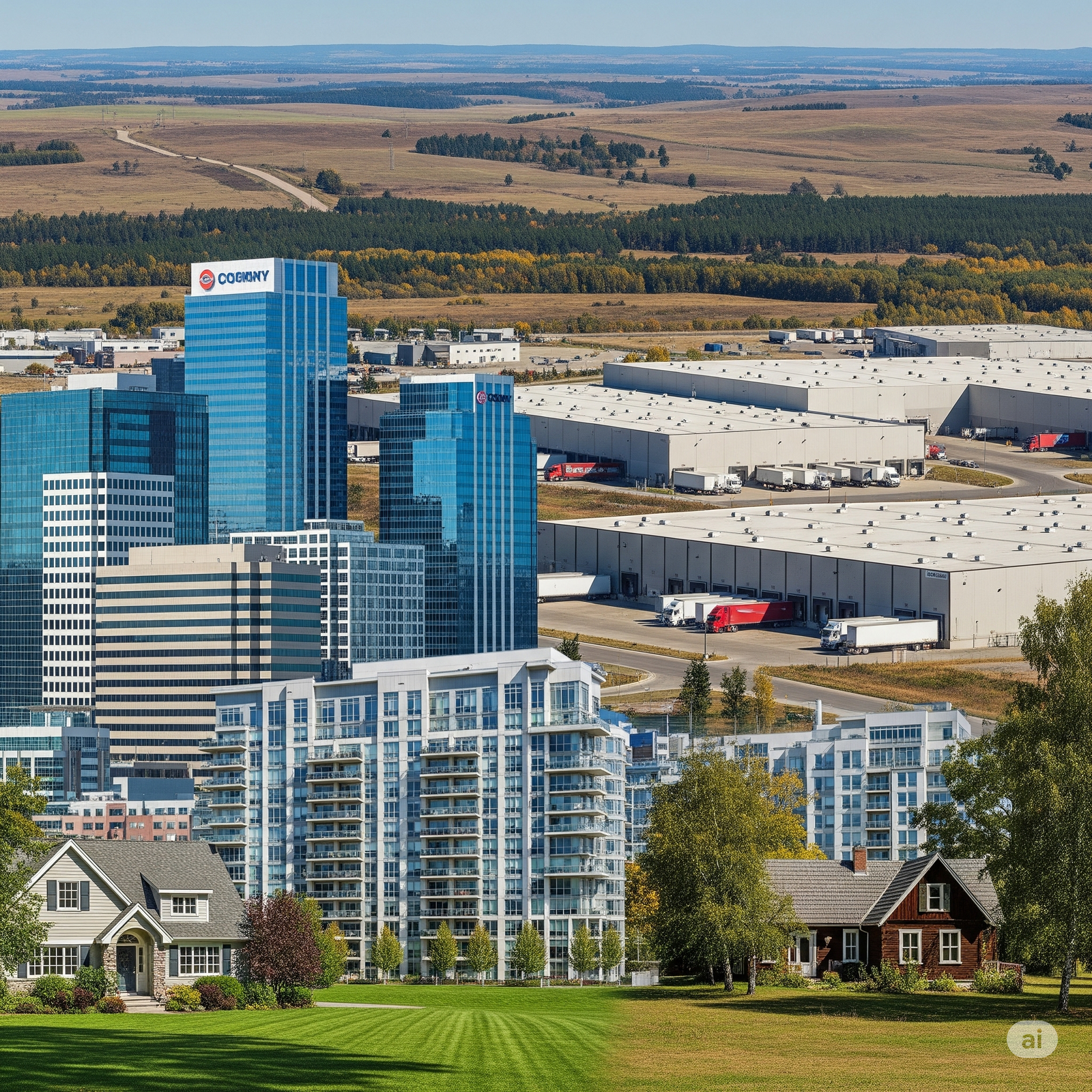
Real estate is a broad term encompassing land and any permanent structures attached to it. Understanding the different types of real estate is crucial whether you’re looking to invest, rent, or simply learn more about the built environment around us. Here’s a breakdown of the main categories:
1. Residential Real Estate:
This is perhaps the most familiar type of real estate. It includes any property used for housing. Examples of residential real estate include:
- Single-Family Homes: Detached houses designed for one family.
- Apartments and Condominiums: Units within larger buildings, where individual owners hold title to their specific unit.
- Townhouses: Multi-floor homes attached to adjacent units, often with their own entrances.
- Duplexes, Triplexes, and Quadplexes: Buildings containing two, three, or four separate living units, respectively.
- Mobile Homes: Transportable homes often located in designated parks or on owned land.
- Vacation Homes: Properties intended for leisure and temporary occupancy.
2. Commercial Real Estate:
Commercial real estate refers to properties used for business purposes. These properties are typically leased to tenants who conduct income-generating activities on the premises. Examples include:
- Office Buildings: Structures designed for professional workplaces.
- Retail Spaces: Buildings and storefronts that house businesses selling goods and services (e.g., shopping malls, standalone stores).
- Hotels and Motels: Properties offering temporary lodging for travelers.
- Restaurants and Bars: Establishments serving food and beverages.
- Healthcare Facilities: Buildings housing hospitals, clinics, and other medical services.
- Mixed-Use Properties: Buildings that combine commercial and residential spaces.
3. Industrial Real Estate:
Industrial real estate comprises properties used for manufacturing, warehousing, research, and distribution of goods. These properties are often located in areas with good transportation infrastructure. Examples include:
- Factories and Manufacturing Plants: Large facilities where goods are produced.
- Warehouses and Distribution Centers: Buildings used for storing and distributing products.
- Research and Development Facilities: Spaces designed for scientific and technological innovation.
- Flex Spaces: Properties that can be adapted for a variety of industrial or commercial uses.
4. Land:
Land is the foundation of all real estate development. It includes undeveloped or vacant land, agricultural land, and even resource-rich land. Categories of land include:
- Vacant Land: Undeveloped land that can be used for building or other purposes.
- Agricultural Land: Land used for farming, ranching, and other agricultural activities.
- Timberland: Land forested and managed for the production of timber.
- Mining Land: Land containing valuable mineral resources.
5. Special-Purpose Real Estate:
This category encompasses properties that don’t neatly fit into the other categories due to their unique use. Examples include:
- Schools and Universities: Educational institutions.
- Churches and Religious Buildings: Places of worship.
- Government Buildings: Offices and facilities owned by public entities.
- Parks and Recreational Areas: Land designated for leisure activities.
- Cemeteries: Burial grounds.
Understanding these different types of real estate is the first step towards navigating the complex world of property. Each category has its own unique characteristics, market dynamics, and investment considerations. Whether you’re a potential homeowner, business owner, or investor, having a solid grasp of these classifications will serve you well.

