
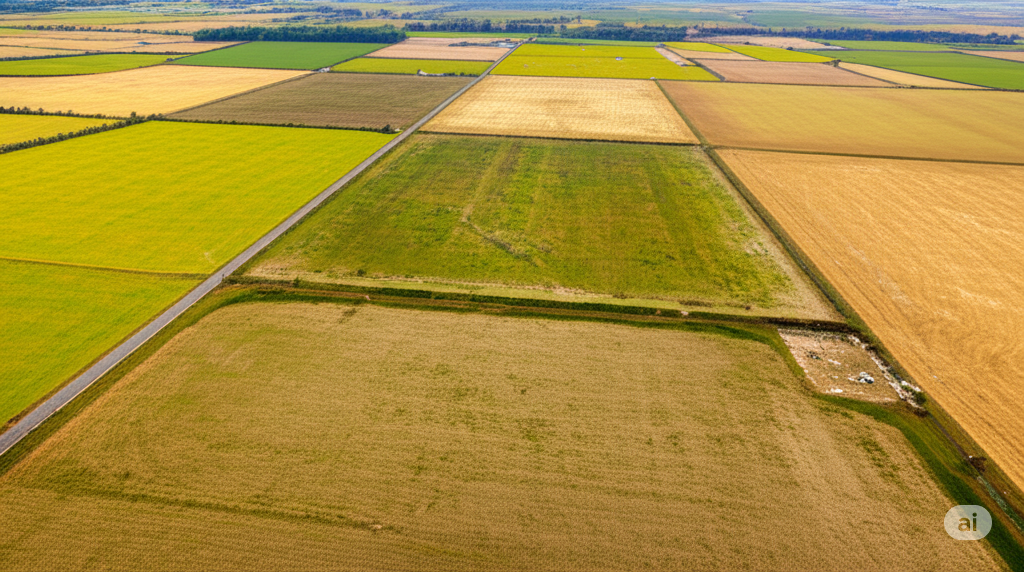
When it comes to real estate, one of the fundamental decisions you’ll face is whether to invest in raw land or a built property. Both options come with their own set of advantages and disadvantages, and the “better” choice ultimately depends on your individual goals, risk tolerance, and financial situation. Let’s delve into a comparison of land versus built property to help you make an informed decision.
Land: The Foundation of Opportunity
Investing in land means purchasing undeveloped or vacant land. Here’s a look at its pros and cons:
Pros of Investing in Land:
- Lower Initial Cost: Generally, the purchase price of raw land is lower than that of a developed property in the same area.
- Flexibility and Customization: You have complete freedom to develop the land according to your specific needs and vision, whether it’s building your dream home, a commercial space, or holding it for future appreciation.
- Lower Holding Costs: Compared to built properties, land typically has lower property taxes, no mortgage interest on improvements, and minimal maintenance expenses.
- Potential for High Appreciation: If the surrounding area develops, or zoning regulations change favorably, the value of your land can appreciate significantly.
- Fewer Immediate Headaches: You won’t have to deal with existing tenants, property management issues, or the immediate need for repairs and renovations.
Cons of Investing in Land:
- Lack of Immediate Income: Raw land doesn’t generate rental income like a built property. Returns are typically realized only upon sale or development.
- Development Costs and Efforts: If you plan to build, you’ll incur significant costs and time investment in planning, permits, construction, and infrastructure development.
- Zoning and Regulatory Risks: Land use is subject to zoning regulations and environmental restrictions, which can limit development possibilities and increase costs.
- Carrying Costs Over Time: While lower than built property, you’ll still have to pay property taxes and potentially other fees without any immediate return.
- Market Liquidity: Selling land can sometimes take longer than selling a developed property, depending on its location and development potential.
Built Property: Immediate Functionality and Income Potential
Built property refers to any land with existing structures, such as residential homes, commercial buildings, or industrial facilities.
Pros of Investing in Built Property:
- Immediate Use or Income Generation: You can immediately occupy the property, rent it out for passive income, or operate a business from a commercial space.
- Established Infrastructure: Built properties come with existing utilities (water, electricity, sewage) and often established access and amenities.
- Easier Financing: Obtaining a mortgage for a built property is generally easier than securing financing for land development.
- Tangible Asset with Defined Value: Built properties have a more readily assessable market value based on comparable sales and rental income.
- Potential for Cash Flow: Rental properties can provide a consistent stream of income to offset mortgage payments and other expenses.
Cons of Investing in Built Property:
- Higher Initial Cost: Purchasing a built property requires a larger upfront investment compared to raw land.
- Maintenance and Repair Costs: Existing structures require ongoing maintenance, repairs, and potential renovations, which can be significant expenses.
- Property Management Responsibilities: If you plan to rent out the property, you’ll need to manage tenants, handle leases, and address property-related issues.
- Depreciation: Buildings depreciate over time, which can impact their value and may require reinvestment to maintain their appeal and functionality.
- Less Customization: Modifying an existing structure to perfectly suit your needs can be costly and may have limitations based on the building’s design and structural integrity.
Which Is Better for You?
The choice between land and built property depends heavily on your individual circumstances and objectives:
- For Long-Term Growth and Customization: If you have a long-term vision, are comfortable with the development process, and seek maximum customization, land might be a compelling option. It’s often favored by patient investors who believe in an area’s future growth.
- For Immediate Income and Use: If your priority is generating immediate income, having a place to live or operate your business without the hassles of construction, then a built property is likely the better choice. It offers immediate functionality and potential cash flow.
- For Investors with Limited Capital: Land can be an entry point into the real estate market due to its lower initial cost, but you need to be prepared for carrying costs and the potential for a longer timeline to realize returns.
- For Risk-Averse Individuals: Built properties, especially those with a history of rental income, can offer a more predictable investment compared to the speculative nature of land development.
Conclusion
There’s no universally “better” option between land and built property. Both represent valuable asset classes with unique advantages and risks. Carefully consider your financial resources, investment timeline, risk tolerance, and long-term goals to determine which type of real estate aligns best with your needs. Understanding the nuances of each will empower you to make a strategic decision and embark on a successful real estate journey.

